
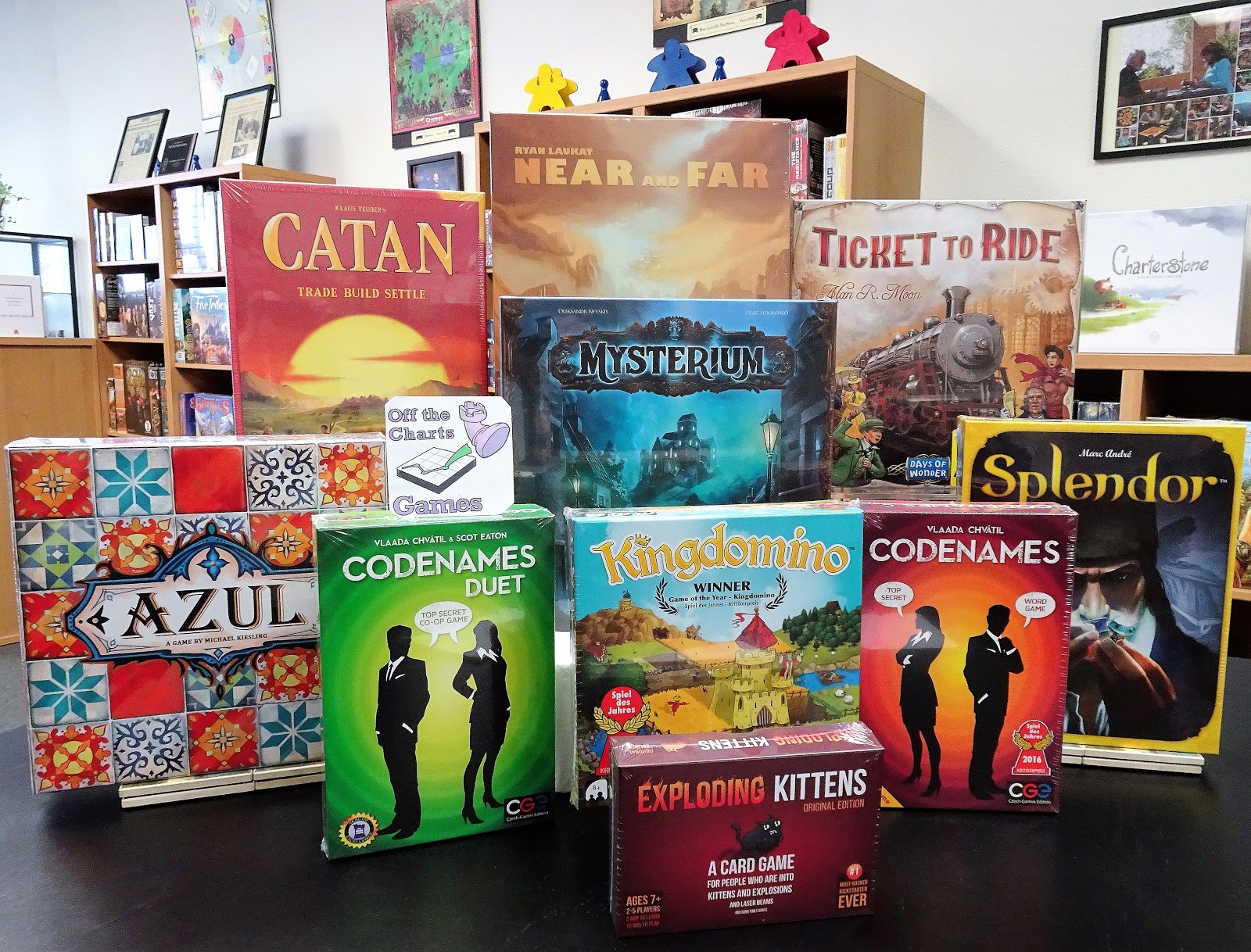
Bear with me for a few paragraphs and you too shall appreciate the wonder of modern board gaming….
Why board games?
In our increasingly atomized, technology-driven society, board games offer a chance to disengage from screens and reengage with people. In his excellent book The Revenge of Analog, David Sax observes “Analog gaming happens on multiple cognitive levels, which leads to a richer experience…. With tabletop games, you are basically playing two games: the one on the table, and the one around the table.” Board games provide a stimulating vehicle for competition and cooperation without the filter of digital games.
In an interview with Sax, noted game study academic (which apparently is a profession) Scott Nicholson opines:
You have a social contract when you sit down to play a game. Within this game space, we’re going to do things to each other that are not acceptable in the real world. We will lie, attack, and manipulate other people. That by itself is a playful engagement. When we sit down to engage with other people over tabletop games, we’re playing with each other in a very different way than we could in the real world. That’s an idea that is harder to do in a digital game. Because the digital game restricts what you can do.
You can (literally) look your sister in law in the eye while you (figuratively) stab her in the back in Westeros, cajole your roommate into opening a second front against Germany, grimace as a handful of dice decide the fate of millions in the grim darkness of the future, or barely suppress a grin as you spread your sooty dominion over an industrializing England.
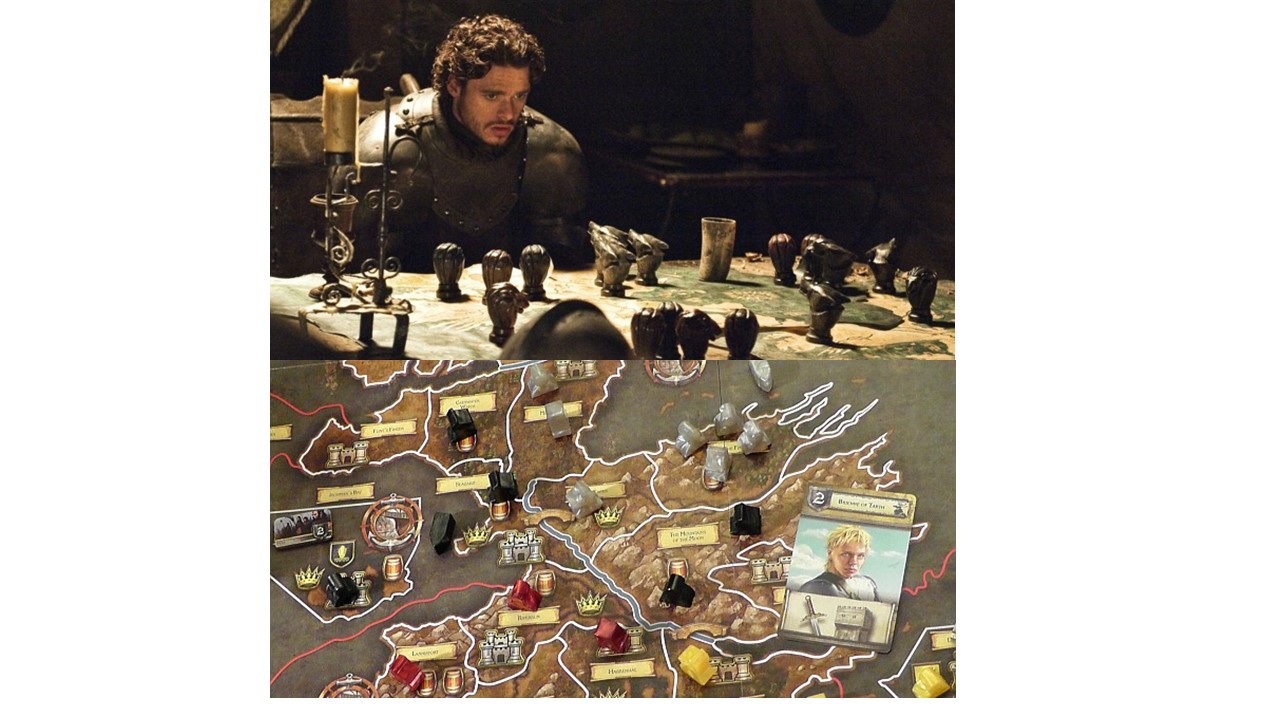
In addition to their direct human interaction, board games can offer an immediate tactile experience. Flipping a satiny card, rooting amongst clacking pieces in a drawstring bag, or sliding a jumbled heap of threatening miniatures onto an opponent’s territory are satisfying and immersive in a way that video games simply can’t replicate.
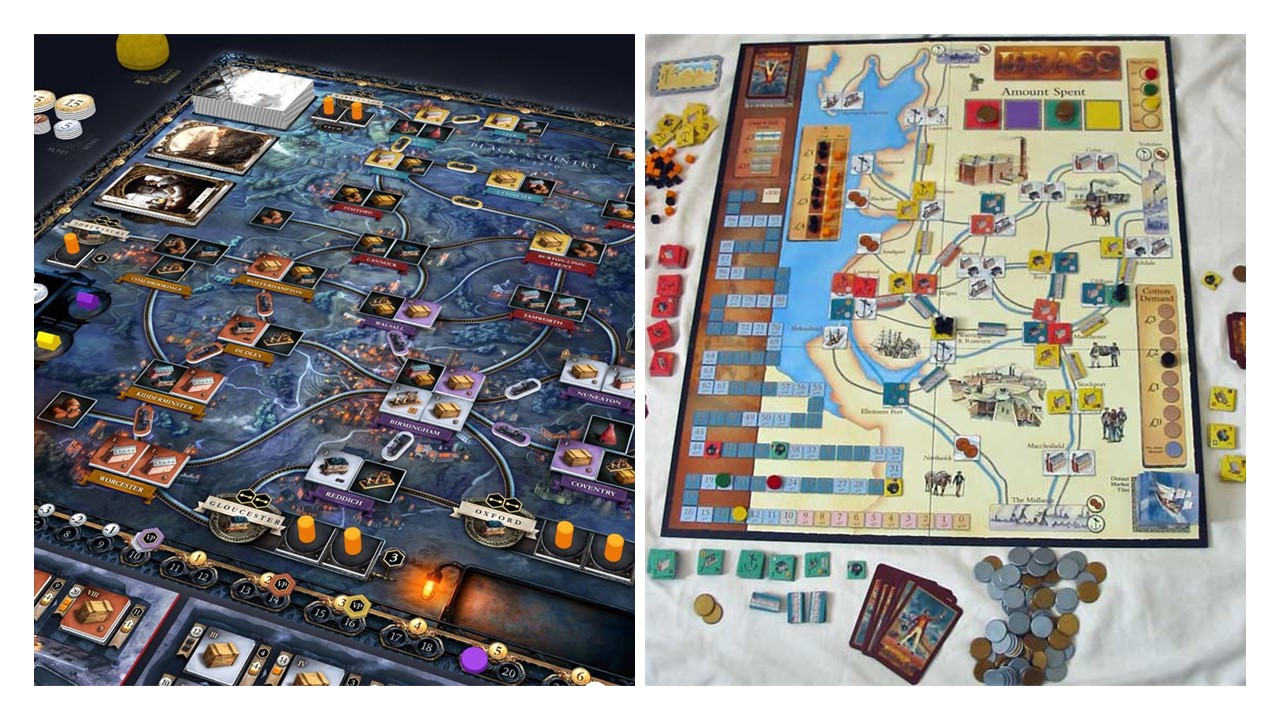
And the boring beige board games of yesteryear are quickly being supplanted by colorful, polished, and well-designed boards and accessories. Even for the most realistic war games, gone are the days of impenetrable prose in black and white rule books and crappy cardboard counters spread across a bland sea of hexes.
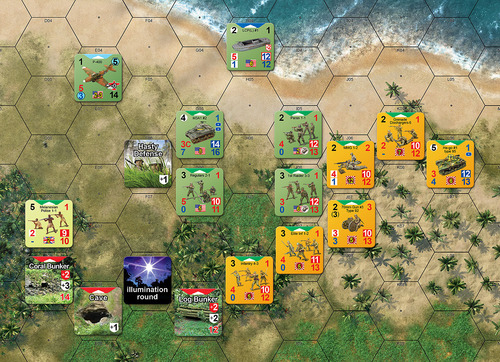
We are now living in a veritable board game renaissance, partially enabled by tech innovations such as Kickstarter, 3D printers, and the ease of sharing ideas and prototypes on the web. Dozens of duly tested titles spanning a range of subjects, styles, and depths are released every month by talented designers working with creative artists. Also, many of the most cherished but long in the tooth titles are being reissued with more vibrant artwork, refreshed rulebooks, and new variants.
Why solo board games?
While light games are great to break the ice or while away an hour, sometimes you want a deeper, more mentally challenging or historically accurate experience. And maybe you don’t want to spend thirty minutes teaching someone the intricacies of this experience, especially followed by hours of taxing play and rulebook referencing.
For me, this is where solo games truly shine. Learning and playing a complicated game is an opportunity to climb inside the engine that powers it, pull apart its gears and levers, and slowly reassemble it as you grasp how the pieces interact.
And climbing inside this engine provides insight into its designer’s thoughts. Historical simulations allow you to not only recreate history, but also examine the assumptions underlying their design. A game’s rules and mechanics are unavoidably based upon a certain understanding of its period, actors, and dynamics, and experiencing this first hand can be illuminating. Simulations kindle a feedback loop of virtual experience, questioning of the game’s assumptions that leads to outside research, a desire to play the game again when equipped with this new knowledge, and ultimately becoming more aware of your own assumptions about the game’s subject matter and the world at large.
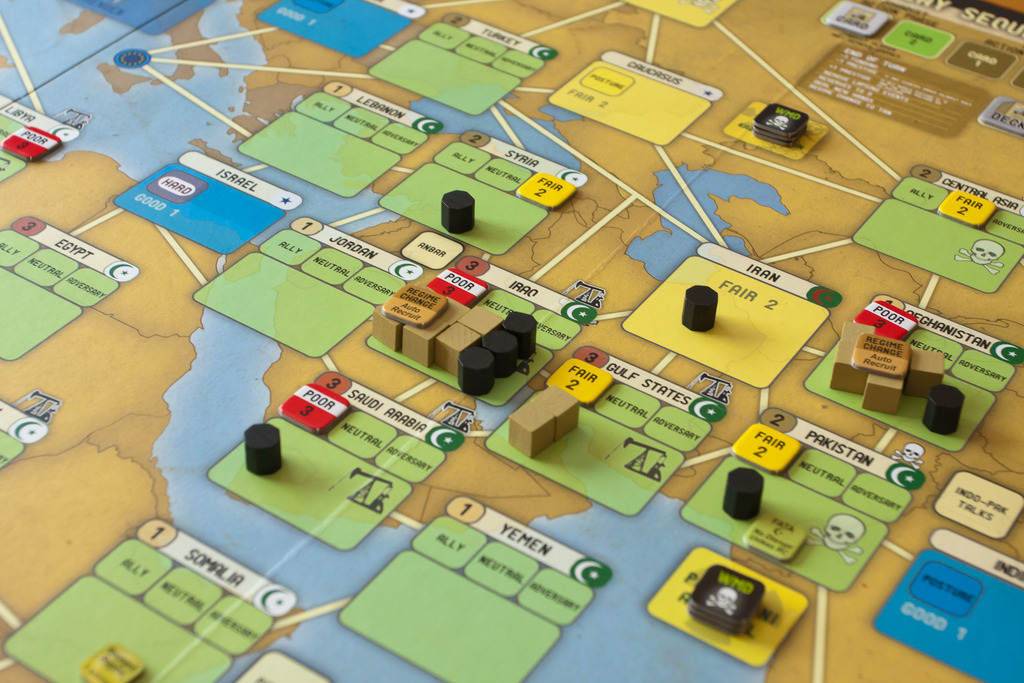
Additionally, as I get older, I relish the chance to exercise my brain in novel ways. The process of learning the rules and strategy of a complex board game provides rigorous mental gymnastics. Complex games that would be frustrating to muddle through as a group become challenging and rewarding puzzles to solve when played solo.
Of course, playing games alone removes the human interaction that can make board games so special in the first place. However, most solo board games can also be played with multiple players – and many of them are intended to be multiplayer, with a solo mode added – and it’s nice to have the option to work through the challenge alone at times.
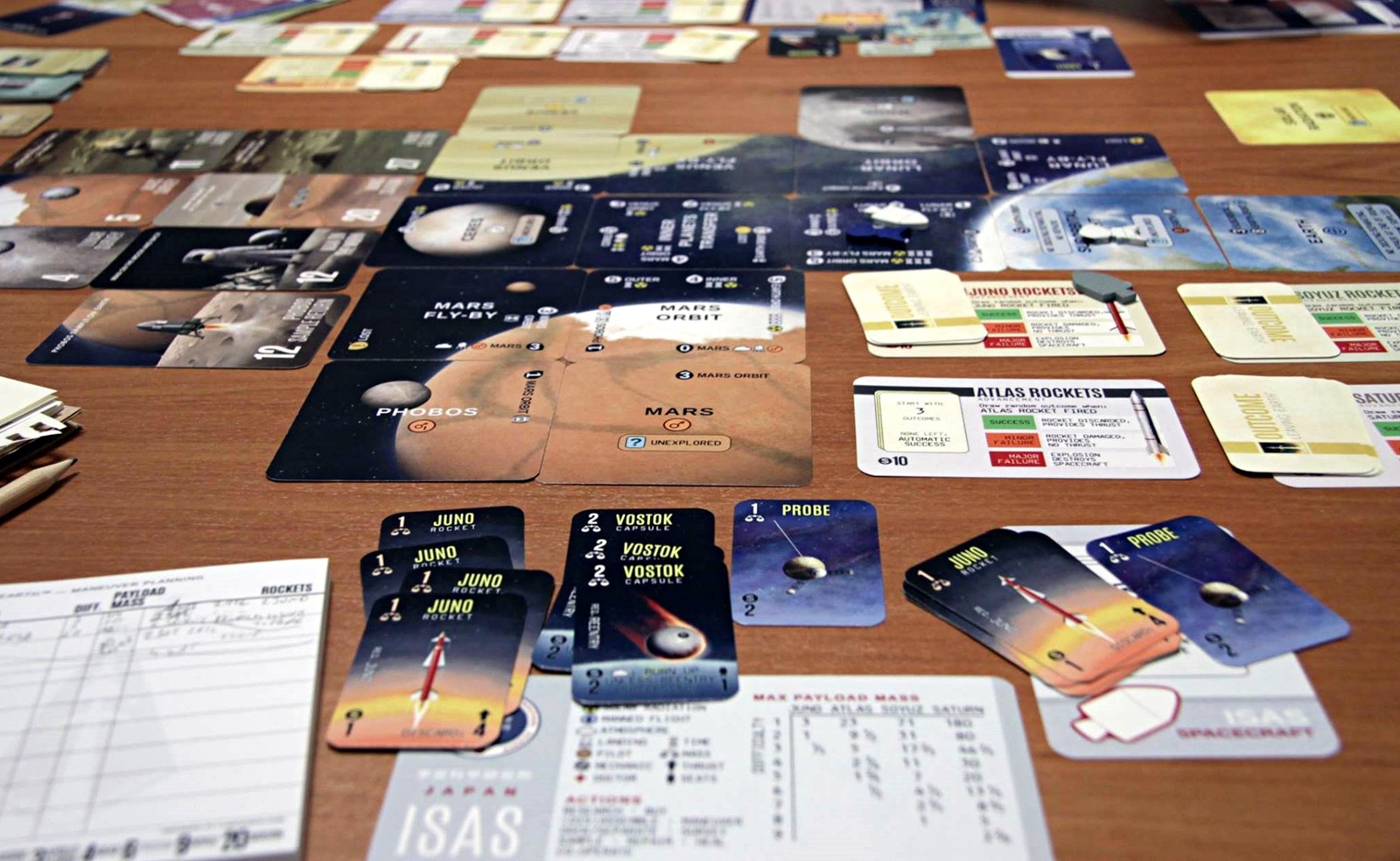
Finally, playing a well-crafted game alone can induce a state of zen-like calm. The simple act of shuffling wooden cubes around the board or watching your (cardboard) wine mature (perhaps while sipping an actual wine) is just as relaxing as kicking back in your favorite chair with a favorite book or TV show.

In short, solo board gaming can offer challenging, educational, tactile and downright pleasant experiences that no other format can match. What’s not to love? Let’s get started!

 You Played Yourself